


Unraveling the complex tapestry of the United States job market during the unprecedented pandemic era requires a fresh perspective. Enter the visuals that dance before our eyes, the kaleidoscope of information that paints a vivid picture of the ever-changing conditions. These essential infographics have become our guiding beacons through this tumultuous period, shedding light on the intricate patterns that emerge amidst the chaos. So grab your magnifying glass and join us as we embark on a visual odyssey, dissecting the captivating trends that have transformed the American job market landscape. In this article, we delve deep into the enigmatic waters of the US labor market, using infographics as our compass, as we navigate the uncharted territory brought about by the pandemic. Prepare to be astounded, enlightened, and inspired as we explore the waves of change that have swept industries, occupations, and livelihoods across the nation. Let the visual voyage begin!
Table of Contents
- Unveiling the Impact: US Job Market Trends During the Pandemic
- The Unprecedented Rise in Unemployment Rates: A Detailed Overview
- Industries in Flux: Examining the Sectors Most Affected by Job Losses
- Resilient and Thriving: Identifying the Job Markets that Have Adapted
- The Shift to Remote Work: Analyzing the Impact across Various Professions
- Charting the Recovery: Promising Signs and Emerging Opportunities
- Navigating the New Normal: Recommendations for Job Seekers and Employers
- Q&A
- Concluding Remarks

Unveiling the Impact: US Job Market Trends During the Pandemic
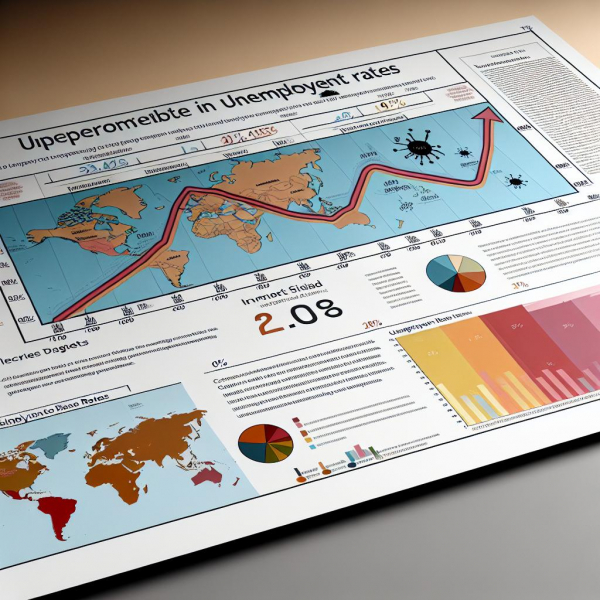
The Corona Virus has undeniably had a profound global impact, bringing various industries and economies to a grinding halt. One sector that has been especially hit hard is the US job market. The pandemic-induced economic downturn has necessitated a closer examination of job market trends, shedding light on the dire situation millions of Americans now find themselves in. In this article, we present a series of insightful infographics that vividly portray the fluctuating landscape of employment in the United States during the pandemic.
These infographics offer a comprehensive overview of the US job market, showcasing the unprecedented challenges faced by workers in different sectors. From aviation to hospitality, healthcare to retail, each industry has been uniquely affected by the pandemic. Bold and striking visuals demonstrate the sharp decline in employment rates, the staggering increase in unemployment claims, and the rise of remote work opportunities. Furthermore, the infographics delve into the demographic breakdown of job losses, unveiling the disproportionate impact on marginalized communities, women, and minority groups. With key statistics situated alongside captivating visuals, these infographics provide a clear snapshot of the struggles and transformations experienced by America’s workforce during this challenging period.
The Unprecedented Rise in Unemployment Rates: A Detailed Overview
Amidst the chaos brought on by the COVID-19 pandemic, the United States job market has experienced a rollercoaster ride like never before. As the virus swept across the nation, millions of Americans found themselves without work, leading to an unprecedented rise in unemployment rates. This article aims to provide a detailed overview of the job market trends during these challenging times, using easy-to-understand infographics.
1. Industries Hit the Hardest
Take a closer look at the industries that have been most severely impacted by the pandemic-induced economic downturn:
- Travel and Tourism
- Hospitality and Food Services
- Retail and Fashion
- Entertainment and Events
2. Regional Disparities
Explore the regional variations in unemployment rates throughout the country:
| Region | Unemployment Rate |
|---|---|
| West Coast | 12.3% |
| Midwest | 9.6% |
| Northeast | 15.2% |
| South | 11.7% |
These statistics shed light on the varying levels of joblessness experienced across different regions in the United States.

Industries in Flux: Examining the Sectors Most Affected by Job Losses
As the world grapples with the unprecedented challenges brought on by the pandemic, the impact on the global economy and job market has been profound. Many industries have found themselves in a state of flux, with job losses hitting certain sectors particularly hard. Examining these sectors is crucial in understanding the far-reaching consequences of the ongoing crisis.
1. Hospitality and Tourism:
- Travel restrictions and lockdown measures have caused a severe decline in tourism, resulting in widespread layoffs in hotels, restaurants, and other hospitality businesses.
- The once bustling streets of popular travel destinations have become eerily vacant, with iconic landmarks and resorts sitting empty.
- Furloughs and reduced working hours have become common, leaving many workers uncertain about their future in the industry.
2. Retail:
- Physical retail outlets have been forced to close or operate under strict limitations, leading to significant job losses.
- E-commerce, on the other hand, has witnessed a surge, with online retailers experiencing unprecedented growth and creating job opportunities in their warehouses and logistics centers.
- Adapting to the changing landscape, some traditional retailers have also started investing in their online presence to stay afloat and retain their workforce.
| Industry | Impact |
|---|---|
| Aviation | Massive layoffs due to travel restrictions and reduced demand. |
| Entertainment | Closures of theaters, live music venues, and amusement parks led to job losses in various entertainment-related sectors. |
| Oil and Gas | Decline in demand, coupled with an ongoing price war, resulted in layoffs across the industry. |

Resilient and Thriving: Identifying the Job Markets that Have Adapted
The COVID-19 pandemic has had a profound impact on the job market, with many industries facing unprecedented challenges. However, amidst the uncertainty, there are some job markets that have shown remarkable resilience and adaptability. These sectors have not only weathered the storm but have thrived in the face of adversity, providing a glimmer of hope in these difficult times.
One such market that has successfully adapted is the technology sector. With the accelerated shift towards remote work, there has been an increased demand for professionals in the tech industry. From software developers to cybersecurity experts, companies have had to quickly pivot to ensure business continuity and digital transformation. Additionally, the healthcare sector has also seen significant growth as the demand for healthcare professionals and essential workers rose exponentially. This industry has demonstrated its ability to adapt to changing circumstances by implementing telemedicine solutions and adopting innovative approaches to deliver care.
The Shift to Remote Work: Analyzing the Impact across Various Professions
Amidst the chaos caused by the ongoing pandemic, the US job market has witnessed a significant shift towards remote work across a multitude of professions. This transformation has not only altered traditional work dynamics but has also created new opportunities and challenges. Let’s delve into how different industries have been affected:
1. Technology Sector:
- The demand for tech professionals with remote work skills has skyrocketed.
- Companies have quickly adapted to remote collaboration tools and infrastructure to ensure uninterrupted operations.
- The tech sector has experienced an increase in job openings, as businesses rely on digital solutions to sustain their operations remotely.
2. Healthcare Industry:
- Telemedicine has become a game-changer, allowing healthcare professionals to conduct virtual consultations and monitor patients remotely.
- Job prospects in telehealth services, virtual diagnostics, and remote patient monitoring have flourished.
- The shift to remote work has also highlighted the urgent need for digital healthcare platforms and cybersecurity solutions to protect patient data.
| Profession | Impact |
|---|---|
| Freelancers | Increased demand and flexibility. |
| Marketing Specialists | Enhanced reliance on digital marketing tactics. |
| Educational Consultants | Adapting to online learning platforms and consultations. |
These examples highlight just a fraction of the diverse impact the shift to remote work has had across various professions. As the world continues to grapple with the aftermath of the pandemic, it is evident that remote work is here to stay, reshaping the way we approach our careers and creating a new realm of opportunities.
Charting the Recovery: Promising Signs and Emerging Opportunities
The COVID-19 pandemic has had a profound impact on the US job market. As the economy gradually recovers, it is important to analyze the trends and identify the promising signs that indicate a positive trajectory. Through insightful infographics, we aim to shed light on the evolving job landscape, highlighting emerging opportunities for growth and prosperity.
One of the most striking observations from the data is the strong rebound in certain industries. Despite the initial setback caused by the pandemic, the tech sector has demonstrated remarkable resilience. Not only have technology-related occupations quickly regained their pre-pandemic momentum, but they have also shown significant growth. This trend indicates the increasing demand for skilled professionals in areas such as software development, data analysis, and cybersecurity.
| Industry | Projected Growth |
|---|---|
| Technology | 12% |
| Healthcare | 9% |
| E-commerce | 7% |
| Renewable energy | 5% |
Alongside the tech industry, healthcare has also shown incredible resilience and has become a beacon of stability in these unforeseen circumstances. As the pandemic placed an increased strain on healthcare systems, the demand for healthcare professionals has soared. This surge in demand has not only opened up new employment opportunities but has also highlighted the importance of healthcare infrastructure, research, and innovation. Job roles ranging from doctors and nurses to medical researchers and technicians are witnessing a significant surge in demand, reaffirming the promising signs of recovery in this sector.
As we navigate through these challenging times, it is crucial to remain optimistic and adaptable. The pandemic has undoubtedly reshaped the job market, but it has also presented new opportunities for growth and adaptation. By closely monitoring trends and understanding the emerging opportunities, individuals and businesses can make informed decisions to thrive in the post-pandemic era.
Navigating the New Normal: Recommendations for Job Seekers and Employers
With the COVID-19 pandemic causing massive disruptions to the economy, both job seekers and employers are facing new challenges in the US job market. Understanding the current trends can help them navigate this “new normal” and make informed decisions. We have compiled a series of informative infographics to shed light on the evolving job landscape.
One significant trend observed is the shift towards remote work. Many companies have adopted work-from-home policies, leading to a surge in remote job opportunities. Employers are now more open to hiring candidates from any location, expanding the pool of potential talent. For job seekers, this means they can explore a wider range of positions and companies, regardless of their geographical limitations.
Another important trend is the increasing demand for digital skills. As businesses adapt to the online world, there is a growing need for professionals with expertise in areas such as digital marketing, e-commerce, and data analysis. Job seekers should consider upskilling or acquiring these valuable skills to enhance their employability. Employers, on the other hand, should prioritize candidates with a strong digital skillset to ensure their company thrives in the digital age.
In addition to these trends, our infographics provide more insights, including the industries experiencing growth or decline, the impact of remote work on employee satisfaction, and the importance of a strong online presence for job seekers. By staying informed and adapting to these new dynamics, both job seekers and employers can navigate the US job market with confidence.
Q&A
Q: What are the major employment trends in the US job market during the pandemic?
A: During the pandemic, the US job market has witnessed significant shifts and changes. From fluctuating unemployment rates to emerging industries, let’s explore the fascinating trends through captivating infographics.
Q: How has the pandemic affected the overall employment rate in the US?
A: Through our eye-catching infographics, we shed light on the rollercoaster ride that has been the US job market during the pandemic. Unemployment rates skyrocketed to unprecedented levels, leading to widespread anxiety and uncertainty. However, the data also reveals rays of hope as employment opportunities gradually recover.
Q: Which industries have experienced the most pronounced shifts in employment?
A: Peek at our visually appealing infographics for insights into the vulnerability and resilience of various industries. From retail and hospitality, which were severely impacted by lockdown measures, to healthcare and e-commerce, where job growth has soared, our infographics will paint a vivid picture of these remarkable transformations.
Q: Have there been any notable changes in remote work patterns?
A: Telecommuting has become the new norm during these unprecedented times. Our infographics captivate the evolving landscape of remote work. Witness how companies rapidly adapted to flexible work arrangements, resulting in a surge in virtual meetings, collaborative tools, and remote job opportunities.
Q: How have the job prospects for recent graduates been affected?
A: The pandemic added an unprecedented layer of uncertainty for recent graduates. Our compelling infographics chart their journey, showing how this vulnerable demographic faced unique challenges while seeking employment during these turbulent times.
Q: Are there any specific skill sets that have become more in-demand due to the pandemic?
A: Discover the most sought-after skills illuminated through our stunning infographics. From digital literacy and data analysis to adaptability and resilience, the pandemic has redefined the skill sets needed to thrive in this rapidly transforming job market.
Q: What role has government support played in stabilizing the job market?
A: Government initiatives aimed at supporting businesses and aiding individuals affected by job losses are visually brought to life in our infographics. They illustrate the impact of financial assistance, job retention programs, and other relief measures, outlining their effectiveness in stabilizing the job market.
Q: Will these job market trends have a long-lasting impact beyond the pandemic?
A: Gaze into the future with us as our infographics reveal potential long-lasting effects of the pandemic on the US job market. Explore how trends such as increased remote work and a greater emphasis on certain skill sets might shape employment dynamics in the post-pandemic world.
Q: What can job seekers do to navigate the evolving job market successfully?
A: Our engaging infographics provide valuable tips for job seekers in these challenging times. From upskilling and adopting a flexible mindset to leveraging digital platforms and networking opportunities, we present actionable advice with eye-catching visuals.
Q: How do these infographics provide a unique perspective on the US job market trends during the pandemic?
A: Our infographics combine the power of data visualization with a dash of creativity. They go beyond mere numbers and statistics to tell compelling stories of resilience, adaptation, and transformation. Engage with our captivating infographics to truly understand the intricate tapestry of the US job market during the pandemic.
Concluding Remarks
As we bid farewell to this deep dive into the ever-evolving landscape of the US job market trends during the pandemic, we leave armed with a visual feast – the infographics. These captivating snapshots of data have whisked us away on a captivating journey, shedding light on the complexities plaguing the labor ecosystem.
Our minds have been swept up in a whirlwind, enveloped by the stark rise and dramatic fall of various industries. The enthralling dance between supply and demand unfurls before our eyes, illuminating the brave sectors forging ahead amidst uncertainty, while others grapple with the weight of adversity.
From the vibrant strokes of color, we witnessed the resilient sectors that proved to be towering beacons of hope. Technology, like a knight in shining armor, emerged as a formidable player in these trying times, offering refuge to job seekers and empowering businesses to reinvent themselves. The magnetic pull of healthcare sector followed suit, unfailingly attracting skilled warriors to the frontlines, dedicated to the welfare of the nation.
But not all tales within this visual narrative are a silver lining; shadows loom over some workers, their industries hanging by a thread. Like a wilting flower gasping for nourishment, the hospitality and retail sectors have faced an uphill battle, grappling with layoffs and store closures. These resilient souls, the heart and soul of towns and neighborhoods, now find themselves walking on a tightrope of uncertainty in search of stability.
The significance of these intricate infographics lies not only in their aesthetic appeal but in the untold stories pulsating through the veins of each bar, pie, or line. It is a testament to the resilient spirit woven into the fabric of America’s workforce. The human side of data whispers to us tales of personal triumphs and sacrifices, of dreams realigned and the stubborn pursuit of new beginnings.
As we venture forth into uncharted territory, we tread cautiously, acknowledging the unpredictable winds of change. Through the power of these infographics, we’ve gained invaluable insights beyond mere numbers and figures. They have become more than visual delights; they are the vantage points guiding us towards a more inclusive, adaptable, and prepared workforce, ready to navigate any tempest on the horizon.
So let us emerge from this exploration enlightened and emboldened, carrying the torch of knowledge into the ever-changing job market. We owe it to ourselves, our communities, and the resilient spirit that binds us all. The future may be uncertain, but with these infographics in hand, we march forward to meet it head-on.